Tendonaeclearur

Outdoor Wellbeing: Walking and Nature Connection

Explore information about outdoor activity and nature connection for your lifestyle

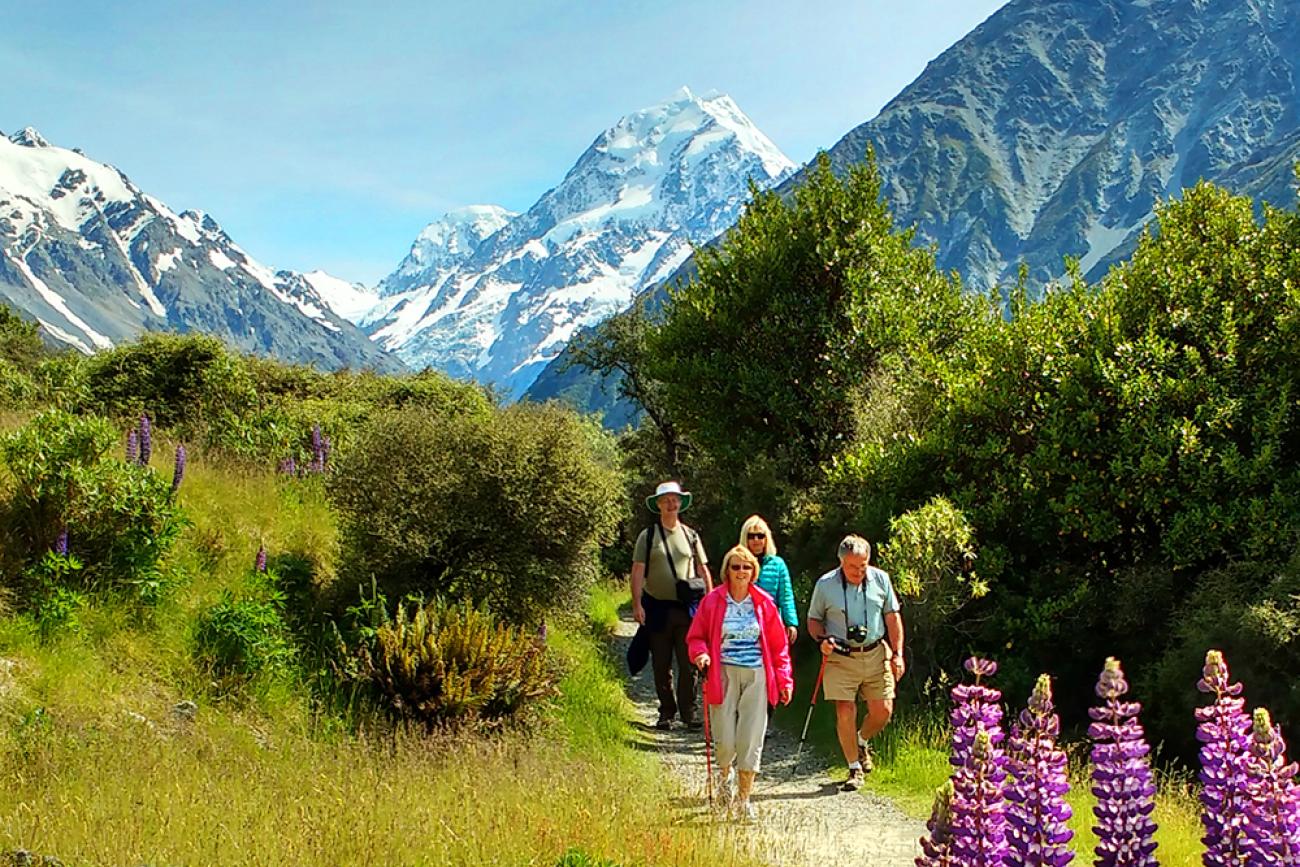
Person enjoying peaceful nature walk in New Zealand outdoors

Understanding Nature Connection

Nature connection refers to the relationship between individuals and the natural environment. Regular time spent outdoors, particularly in natural settings, provides opportunities for physical activity, sensory engagement, and mental restoration.

Elements of Nature Connection

  • Sensory Awareness: Engaging sight, sound, smell, and touch while in natural environments
  • Present Moment Focus: Directing attention to immediate surroundings and experiences
  • Regular Exposure: Consistent time spent in outdoor settings
  • Active Engagement: Participating in outdoor activities like walking, observing, or exploring

Mindful Walking Practices

Sensory Walking

Focus on engaging your senses during walks. Notice colors, textures, sounds, and scents in your environment. This practice encourages present-moment awareness.

  • Observe visual details in your surroundings
  • Listen to natural sounds
  • Notice temperature and air movement
  • Observe without judgment

Breathing Awareness Walk

Coordinate your breathing with your walking pace. This simple practice can promote relaxation and help establish a comfortable rhythm.

  • Find a natural breathing pattern
  • Match steps to breath cycles
  • Maintain steady, comfortable pace
  • Notice how breathing changes with terrain

Nature Observation Walk

Dedicate walks to observing specific aspects of nature, such as bird behavior, plant life, or seasonal changes. This builds familiarity with local ecosystems.

  • Choose a focus for each walk
  • Take time to stop and observe
  • Notice patterns and changes
  • Learn about local species

Integrating Walking into Daily Life

Start Small and Build Gradually

Begin with short, manageable walks and gradually increase duration and frequency. Consistency matters more than intensity when establishing a new routine.

  • Start with 10-15 minute walks
  • Choose convenient locations
  • Schedule walks at consistent times
  • Gradually extend duration as comfortable

Make Walking Accessible

Identify walking opportunities in your daily routine. Consider walking for transportation, during breaks, or as a social activity.

  • Walk to nearby destinations
  • Take walking breaks during work
  • Explore local parks and reserves
  • Join walking groups or walk with friends

Adapt to Conditions

Develop strategies for maintaining walking routines across different weather conditions and seasons. Appropriate clothing and flexible planning support consistency.

  • Invest in weather-appropriate gear
  • Have indoor alternatives for severe weather
  • Adjust timing based on conditions
  • Embrace seasonal variety

Track Your Progress

Keep a simple record of your walks to observe patterns and maintain motivation. Note distance, duration, location, and how you felt.

  • Use a journal or app
  • Record routes and locations
  • Note observations and experiences
  • Celebrate milestones

Supporting Practices for Outdoor Wellbeing

Preparation and Planning

Proper preparation enhances outdoor experiences and supports safety. Check conditions, pack appropriately, and plan routes suited to your abilities.

Environmental Awareness

Develop understanding of local ecosystems, weather patterns, and seasonal changes. This knowledge enriches outdoor experiences and supports informed decision-making.

Physical Preparation

Build fitness gradually through regular walking. Consider complementary activities like stretching or strength exercises to support walking comfort.

Social Connection

Walking with others provides social interaction and shared experiences. Join local walking groups or invite friends and family to join you.

Reflection and Journaling

Recording observations, thoughts, and experiences from walks can deepen your connection with nature and track personal insights over time.

Continuous Learning

Expand your knowledge about local flora, fauna, geology, and ecology. Understanding your environment enhances appreciation and engagement.

Community and Resources

Connecting with Others

New Zealand has an active outdoor community with numerous walking clubs, conservation groups, and outdoor organizations. Connecting with like-minded individuals can provide motivation, knowledge sharing, and social support.

Local Walking Groups

Many communities have organized walking groups that meet regularly for group walks. These range from casual social walks to more structured hiking clubs.

Conservation Involvement

Consider participating in local conservation projects, track maintenance, or environmental monitoring programs. These activities combine outdoor time with community contribution.

Educational Opportunities

Look for workshops, guided walks, and educational programs offered by conservation organizations, outdoor retailers, and community groups.

Disclaimer: All materials and practices presented are for educational and informational purposes only and are intended to support general well-being. They do not constitute medical diagnosis, treatment, or advice. Before applying any practice, especially if you have chronic conditions, consult a qualified healthcare professional.