Easy Walks
Gentle, well-maintained paths suitable for various fitness levels. Typically under 2 hours with minimal elevation gain.
- Flat or gently undulating terrain
- Well-formed tracks
- Suitable for families
Explore information about trails across diverse landscapes
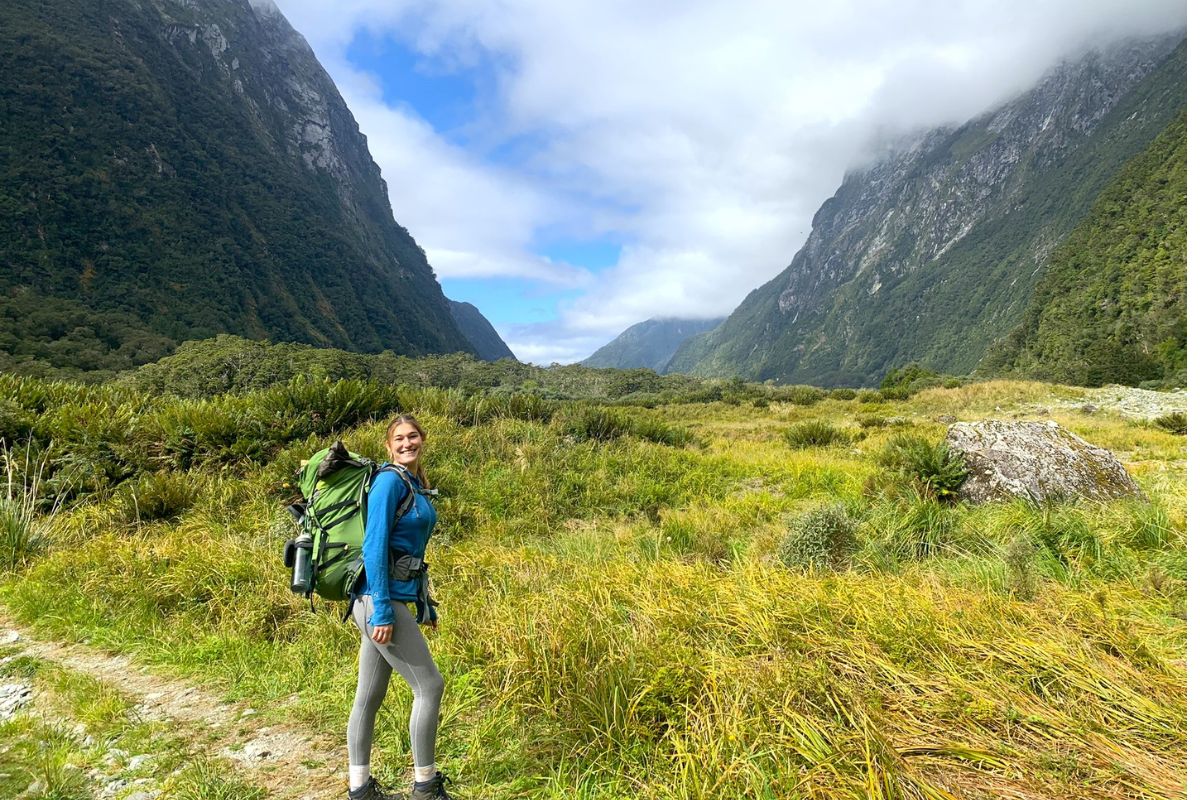
Gentle, well-maintained paths suitable for various fitness levels. Typically under 2 hours with minimal elevation gain.
Half-day walks with some elevation changes. Requires reasonable fitness and appropriate footwear.
Full-day or multi-day tracks requiring fitness, experience, and proper equipment.
Location: South Island, Nelson Region
Distance: 60 km (can be walked in sections)
Duration: 3-5 days or day walks
Difficulty: Easy to Moderate
Experience golden beaches, coastal forests, and turquoise waters along one of New Zealand's Great Walks. The track offers multiple access points for shorter day walks.
Location: North Island, Central Plateau
Distance: 19.4 km
Duration: 7-8 hours
Difficulty: Challenging
Traverse volcanic terrain, emerald lakes, and alpine landscapes on this day walk. Weather conditions can change rapidly.
Location: South Island, Fiordland
Distance: 32 km
Duration: 2-3 days
Difficulty: Moderate to Challenging
Walk through alpine gardens, mountain valleys, and beech forests with views of surrounding peaks.
Location: South Island, Marlborough Sounds
Distance: 71 km
Duration: 3-5 days or sections
Difficulty: Easy to Moderate
Follow the ridgelines and coastal edges of the Marlborough Sounds with water views throughout.
Check track conditions, distance, estimated time, and difficulty level before departure. Consult official Department of Conservation resources.
New Zealand weather can change quickly. Check forecasts and be prepared to adjust plans if conditions deteriorate.
Bring water, snacks, sun protection, rain gear, first aid kit, and navigation tools. Dress in layers for changing conditions.
Let someone know your plans, including expected return time. Consider using trip planning services.
Follow Leave No Trace principles. Stay on marked tracks, carry out all rubbish, and respect wildlife.
Choose tracks appropriate for your fitness level and experience. Start with shorter walks and build up gradually.
In case of emergency, call 111 and ask for Police Search and Rescue.
Longer daylight hours and warmer temperatures. Popular tracks can be busy. Book huts and campsites in advance. Stay hydrated and use sun protection.
Mild temperatures and fewer crowds. Autumn colors in deciduous areas. Weather becomes more variable as winter approaches.
Alpine tracks may be snow-covered and require winter skills. Lower altitude and coastal walks remain accessible. Shorter daylight hours require earlier starts.
Wildflowers bloom and native birds are active. Weather can be unpredictable. Track conditions improve as snow melts at higher elevations.
Disclaimer: All materials and practices presented are for educational and informational purposes only and are intended to support general well-being. They do not constitute medical diagnosis, treatment, or advice. Before applying any practice, especially if you have chronic conditions, consult a qualified healthcare professional.